Imagine walking into a high-stakes meeting or stepping under bright studio lights and not thinking about your face at all. No furrow that reads as annoyed when you are listening hard, no heavy lids when you are well rested, no glare of forehead shine that cameras exaggerate. That ease is what well-planned Botox can deliver, not the mannequin look people fear, but quiet confidence that comes from calibrated muscle control and better skin behavior.
What “natural, not frozen” really means
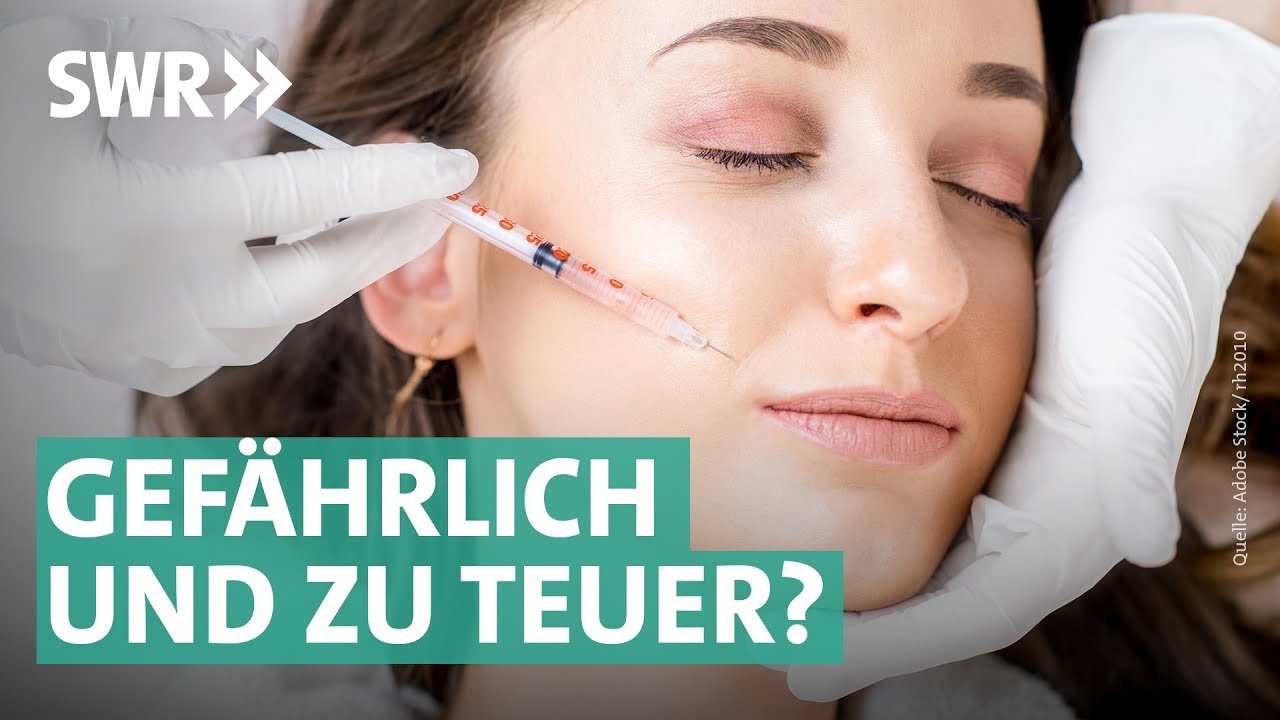
Natural results do not come from a product alone. They come from restraint, mapping, and intent. Botox is a neuromodulator that softens the signal between nerve and muscle. It does not plump or lift tissue directly. When someone looks frozen, it is usually because dose and placement were not matched to the face’s job in expression. The right approach yields micro-changes: the angry crease that no longer triggers first impressions, the slight eyelid lift that makes you look awake, the jawline that looks slimmer and less tight without changing your features.
In practice, my planning session looks like a short choreography lesson. I ask you to frown, smile, raise, squint, purse, and talk. I watch for asymmetry, overactive compensations, and habitual tension patterns. Only then do I choose points and doses. That is why two people with similar lines get very different treatment maps.
The forehead, temples, and eyes: where expression lives
The upper face is usually where fear of a frozen outcome starts. It is also where small decisions carry outsized weight.
Forehead lines are driven by the frontalis muscle. Heavy dosing can drop brows. Light, feathered dosing can soften horizontal lines while preserving lift. When a client has hooded eyes or relies on the forehead to open the lids, I reduce the central dose and support the sides with a subtle brow-tail assist. This is the basis of a careful eyelid lift non surgical. The goal is a few millimeters of openness, not a startled look.
Brow asymmetry correction often comes down to targeted inhibition of the stronger side. A tiny difference, for example 1 to 2 units more on the dominant lateral depressor, can level the brow without flattening expression. For people who feel their brow looks angry at rest, we can soften the corrugator and procerus to remove the pull toward the center. This also helps with facial tension release between the eyes, which many professionals notice at the end of long days on screens.
Temple area wrinkles are usually radial lines from frequent squinting or volume loss. Neuromodulators help if the cause is muscle overactivity at the outer orbicularis or near the temporal line. If the hollowing is the main issue, I will be the first to say filler, fat, or energy-based treatment is the right tool. Botox cannot replace volume.
Eyelid dynamics matter in camera work and presentations. A conservative outer canthus softening reduces crow’s feet while keeping a crinkle when you smile. That crinkle is important. It communicates warmth. Removing it completely is what gives the too-smooth TV look. For eye twitching treatment and blepharospasm relief, medical dosing along the orbicularis can quiet spasms. That is not an aesthetic tweak, it is functional care and often life changing for patients who struggle to read or drive when spasms flare.
A note on forehead veins visibility: Botox does not erase veins. If prominent veins show more during intense muscle effort, reducing that effort can make them less obvious as a side effect. But the vein itself, its size and path, is a vascular matter. Lasers or sclerotherapy address it more directly.
Midface balance without chasing nasolabial folds
Many new patients point to nasolabial folds and ask for Botox. It is not the right tool for the fold itself. Those creases are a volume and ligament story. However, softening the pull of certain muscles can improve how the midface rests, sometimes creating a subtle cheek lift effect. Small units along the levator labii superioris alaeque nasi can reduce a gummy smile and rebalance upper lip elevation. With that, the cheek can look more relaxed and the fold less animated, which acts as a nasolabial folds alternative for people whose main complaint is deepening with expression, not at rest.
Rosacea redness control and flushing face reduction have gained attention with microdosing techniques, sometimes called microbotox or mesobotox. Placed very superficially, tiny droplets can reduce facial shine, pare down skin oil regulation, and create a pore tightening effect. Clients call this the glass skin look because light reflects more evenly. It is not a cure for rosacea and it will not replace medical therapy when flares occur, but it can reduce flushing triggers from heat and stress for several months.
The lower face and jawline: strength, slimness, and speech
Lower face slimming is most often about the masseter muscles. If you clench, grind, or like one of my clients, chew ice during late night edits, those muscles grow. Injecting the masseter can create a gentle V shape and relieve pressure. People often notice fewer headaches and less jaw clicking relief if their temporomandibular joint was under strain. Doses vary widely, and I prefer gradual shaping over a big first pass. Why, because overly rapid atrophy can leave the cheeks looking flat or create chewing fatigue. You should still enjoy a steak.

For a refined jawline without dulling your smile, I map the depressor anguli oris and mentalis carefully. Heavy-handed dosing around the mouth can hinder speech or change articulation on microphone. Light, bilateral placement keeps the corners from pulling down while preserving enunciation. Clients who do frequent public speaking appreciate that nuance. Botox for reducing angry look or softening resting face really lives here, where the mouth corners and chin skin bunch when we clench. When intention and habit diverge, small adjustments bring them back into alignment.
On the neck, a Nefertiti pattern can reduce platysmal band pull, which cleans up the jaw contour and helps with a subtle lift effect of the lower face. This works best in early laxity. If there is heavy skin redundancy, energy or surgical methods have better return.
Foot sweating, hairline sweating, and sweat reduction face are straightforward. Hyperhidrosis treatment with Botox has robust evidence. In the right hands, treating the scalp perimeter and forehead transforms on-camera comfort and extends blowouts. I have executives who plan it before their earnings season. For back sweating treatment, dosing larger fields requires more units, so planning around wardrobe and events matters to keep cost-effective coverage.
Skin finish and the polished daily look
Camera-friendly skin is a sum of surface and shadow. Microdosed Botox can reduce harsh lighting shadows by evening micro-texture and reducing sebaceous output. That translates to less powder, fewer touch-ups, and a more professional headshots prep process. I also use it along the nose to shrink bunny line animation that can break up foundation. For a lifestyle beauty routine that aims at a consistent youthful look, these tweaks, done two or three times a year, keep the finish predictably smooth.
Botox is not a primary tool for acne scarring improvement. Energy devices, subcision, or fillers handle texture change. However, reducing oil and pore appearance can make scars less prominent in certain lighting. That is why some clients report a smooth skin texture when we add microdoses to the T-zone.
When medical and aesthetic goals overlap
Blepharospasm and facial spasms control are classic medical indications where Botox shines. The difference between a productive workday and one interrupted by spasms can be a few small injections. Eye twitching often needs less dosing and can be handled with conservative points outside the lash line.
Sinus tension headaches are tricky. Chronic migraine has an on-label protocol, but sinus-related pressure is different. Some people with frontal tension find relief when we quiet the procerus and corrugators. I present it as possible support, not a guarantee. Similarly, nerve pain in face and trigeminal neuralgia support are complex. A subset of patients report benefit when trigger zones in the muscles are calmed, but this is not a first-line solution. Neurology care leads, and we coordinate.
Muscle cramps relief and muscle spasms legs sit in a medical domain too. Botox can reduce spasticity in certain conditions, and some athletes ask about sports recovery therapy or muscle fatigue relief. I set expectations clearly. For overuse injuries, targeted relaxation sometimes helps break a pain cycle, but training load, therapy, and recovery habits matter more. Plantar fasciitis pain, tennis elbow treatment, carpal tunnel symptoms, and trigger finger treatment are better addressed with physical therapy, splinting, or other interventions. In rare, stubborn cases, a small dose into the involved muscle may offload tension. That is specialist territory and must not be a first stop.
Scars, healing, and the boundaries of evidence
Scar softening treatment with Botox has an interesting rationale. By relaxing the surrounding muscles during early healing, tension on the scar reduces, which can improve the final line. Facial scar reduction around areas like the glabella or chin, where expression tugs at new tissue, can benefit from this. Keloid scar management relies more on steroids and pressure, but for stubborn hypertrophic scars across active zones, a blend of steroid and low-dose neuromodulator has been used by some clinicians. Wound healing support and post surgery healing claims need caution. While reducing pull on a repair is logical, Botox does not speed cellular healing, it only alters mechanical stress. I use it selectively around high-tension closures.
Planning for subtlety and longevity
The most confident appearance is built over time. You do not need everything at once. Stack small wins that compound: less frowning, a tidier jawline, calmer skin under bright light. Then settle into a schedule that respects your calendar and wallet. Most clients maintain two or three major sessions per year, with minor touch points based on events. This forms a long term skin maintenance rhythm that preserves muscle memory in a favorable way. You wrinkle less because St Johns FL botox newbeautycompany.com your face learned not to over-contract. That is what people mean by preventative beauty strategy or wrinkle progression slowing. We are not freezing the face, we are coaching it.

Here is a short guide I share during consults to anchor expectations and outcomes.
- Subtlety rules: start with conservative dosing, favor rechecks at two weeks, adjust by region rather than chasing single lines, keep crow’s feet smiling, and leave one or two expressive features untouched as anchors. Pre-treatment checklist: confirm upcoming events and camera dates, review medications and supplements that raise bruise risk, take standardized photos with and without expression, identify asymmetries you want to keep or correct, and align on budget and staged priorities.
Special zones clients ask about
Chest wrinkles and cleavage lines respond to microdoses that relax the thin platysma fibers and improve draping. Results are modest but worthwhile for low necklines in photos. Knee wrinkles and ankle wrinkles are occasional requests for summer wardrobes. Skin quality and laxity determine whether neuromodulators will help. If the lines deepen when you dorsiflex or squat, small doses can smooth motion lines. If the skin is lax at rest, consider energy-based tightening or skin boosters.
Hand rejuvenation is usually a volume and pigment story. Botox for vein visibility hands is not typical. If the goal is less sweating on palms for handshakes or performance, neuromodulators help, but for visible veins, filler or lasers are a better match. Foot sweating is a common and very practical use. Expect meaningful dryness for several months that makes shoes and events far more comfortable.
Calf slimming and leg contouring with Botox exist, but caution is warranted. In some cultures this is routine, in others it is rare. Reducing the gastrocnemius bulk can lean the lower leg, yet too much can affect push-off strength when running or climbing. I advise trialing small, symmetric dosing with honest discussion of athletic demands.
How I dose and why it matters
Patients often ask for numbers. Doses vary by brand and by muscle size, but a typical first pass for the glabella is around 15 to 25 units, forehead 4 to 12 distributed lightly, crow’s feet 6 to 12 per side, masseters 15 to 30 per side depending on bulk. Microbotox for oil control uses dozens of tiny aliquots across the T-zone, each less than a unit. The principle is simple: the minimum effective dose wins. I do not chase absolute stillness unless the patient wants it for a specific reason, like stopping eye twitching before a performance.
Timing also matters. Onset is usually 3 to 5 days, with peak at 10 to 14 days. That is why I schedule a quick follow-up around two weeks. If one brow peaked or a smile feels slightly tight, that is when we trim or balance. This two-step approach is how you avoid the shock of looking unlike yourself.
Safety, side effects, and honest limits
Bruising, minor headache, and a heavy feeling in the first days are the most common side effects. Rarely, diffusion can drop a brow or alter a smile. These effects wear off as the product does, usually over several weeks. In the hands of a clinician who understands surface anatomy and dose, risk stays low. I avoid injecting near recent filler if swelling is active, and I stage treatments when working around complex scars.
Claims about circulation improvement or lymphatic flow support fall into wellness language that does not map cleanly onto how neuromodulators work. If someone promises that Botox will fix systemic stress or anxiety related tension on its own, push back politely. That said, many clients report that facial relaxation therapy, in the literal sense of reducing the impulse to clench or scowl, lowers their felt stress across the day. Less feedback from tense muscles can calm the loop between body and brain. I see it as supportive, not curative.
Building your facial maintenance plan
Aging gracefully plan is strategic. We set anchor zones first, usually the glabella and crow’s feet, which shift first impressions. Next, we address functional load, like masseters for grinders. Then we polish the canvas with microdosing for consistent skin smoothness, especially before seasons of heavy travel, speaking, or filming. Over time, you land on a facial maintenance plan that keeps results steady with fewer units, because your baseline activity is lower.
For public speaking confidence and on camera confidence, planning around events is key. If you have professional headshots or a major pitch, schedule injections three weeks ahead. Skin is calm, muscles are settled, and any tiny tweak has time to be corrected. For business appearance boost moments like board meetings, a small brow-tail lift and T-zone microbotox can make a visible difference without advertising that you did anything. This is personal branding look work at its most discreet.
If your goal is a polished daily appearance with minimal upkeep, keep it simple. Two sessions a year targeting frown lines, crow’s feet, and modest jaw clench reduction give you subtle enhancements face wide. Add an annual microdosed pass for shine and pores if cameras are part of life. That cadence supports glow maintenance and a consistent youthful look without feeling like a project.
Case notes from practice
A startup CFO came in tired of looking stern on Zoom. He had a deep 11 between the brows and strong masseters. We softened the glabella with a standard pattern, feathered the forehead lightly to avoid drop, and started conservative masseter dosing. Two weeks later, he looked approachable and slept better without his night guard digging in. His feedback was short: fewer jaw aches, more nods from his team.
A fitness instructor with hooded eyes wanted a refreshed morning look without makeup tricks. She relied on her forehead to open her lids, so we spared the central frontalis, lifted the brow tail with small points, and reduced orbicularis activity at the outer eye. She kept her smile lines, exactly as requested. Her lids looked a touch lighter, not different.
A content creator with flushing face under ring lights asked about rosacea redness control. We layered her medical routine with microbotox across the cheeks and nose. Her reports over three months showed fewer on-camera resets and less powder use. The result was not dramatic, but it was stable and practical.
What not to promise
Botox is not a solution for everything. It will not repair collagen like lasers or needles do. It will not fix deep grooves at rest where volume is missing. It will not meaningfully lift heavy tissue. It will not replace sleep, hydration, or sunscreen. For anxiety related tension, it can only soften one output of stress, the muscle activity. The inputs need attention too.
When someone asks for facial proportions balance or facial detailing aesthetics using only neuromodulators, I clarify what is possible. We can adjust the play of muscles to reveal or relax features, we can refine facial features by removing unhelpful pulls, and we can aim for youthful facial balance in motion. Static proportion is a volume and bone game.
The subtle art of saying enough
People rarely notice great Botox. They notice that you look rested, that your eyes read as open and kind, that your jaw no longer clenches when your inbox fills. They do not point to a single frozen surface. The work lives at the edge of perception, accumulating into a presence that feels like you at your best.
Think of it as choreography, not plaster. Each dose tells a muscle to relax its grip. Each point is placed so you still speak with your face. Over a year, those messages stack into a habit. You frown less even when you are not treated, you smile with the parts of your face that communicate warmth, and your skin behaves under harsh light. That is confident appearance, built quietly.
If you choose to start, aim for non dramatic results. Start small, keep what you like, change what does not serve you, and measure the impact on how you move through work and life. Patients who stay in that lane, who use Botox for minimal expression lines rather than over-smoothing everything, report the strongest return on investment. Not just in photos, but in the unposed moments that make up most of your day.