The best cosmetic work rarely announces itself. Friends comment that you look well rested or that your skin seems smoother, but they can’t quite place what changed. That is the hallmark of skillfully performed Botox, particularly when the goal is skin line smoothing and subtle refinement rather than a frozen mask. After more than a decade of evaluating faces, planning injection patterns, and following patients over many treatment cycles, I’ve learned that less is often more, and that precision matters far more than milliliters.
Botox, a brand name for botulinum toxin type A, sits in a category often called neuromodulator injections. The medication interrupts the signal between nerve and muscle, softening the muscle’s pull on the skin. Over time, that reduces the appearance of dynamic lines, the ones that show when you frown, squint, or raise your brows. Used thoughtfully, it can also help prevent those lines from getting etched into resting wrinkles. The nuance lies in matching dose to muscle strength, mapping where you habitually crease, and keeping the character of your expressions intact.
What “subtle” really means in practice
Subtle does not mean weak. It means calibrated. If your frontalis muscle has been lifting heavy for decades, a truly conservative plan might still require a moderate dose, split into small points across the forehead to avoid a heavy brow. For someone in their late 20s starting preventative botox, a baby botox approach, with micro injections at lower doses, may be enough to relax hyperactive movement without flattening expression.
The target outcome for facial botox that aims at line smoothing is simple to describe and harder to deliver: your skin looks calmer at rest, your expressions read as you intend, and nothing draws the eye for the wrong reason. You should still be able to convey surprise, skepticism, joy, and concern, just without the harsh vertical 11s between the brows or the fan of crow’s feet radiating too far onto the cheek.
Where Botox makes the most difference
Most people first notice benefits in three classic zones of upper face botox: the glabella, forehead, and lateral canthus. That is, frown lines between the eyebrows, forehead horizontal lines, and crow’s feet. These areas respond predictably to wrinkle relaxing injections and have well-studied safety profiles. Injectors also use botox for eyebrow lift by carefully weakening the muscles that pull the brow downward, allowing a subtle lift from the untouched portions of the frontalis. If you prefer crisp brow tails and a less tired look, the difference can be two to three millimeters, which the camera picks up even if the mirror doesn’t shout it.
Beyond the upper face, nuanced work can address lip lines, chin dimpling, neck bands, and jawline width. A dozen well-placed units can soften a pebbly chin or the lip purse lines often called barcode lines. Platysmal bands in the neck can be softened, which improves the jaw-neck angle in certain profiles. Masseter botox for jaw slimming reduces clenching and can narrow a square lower face slightly over several months as the muscle thins. These lower face and neck treatments demand a confident, licensed botox injector with advanced training, because the margin between elegant and awkward narrows as you approach muscles that control speech or swallowing.
Dynamic versus static wrinkles
It helps to distinguish dynamic wrinkles from static ones. Dynamic wrinkles appear with expression and disappear at rest; these respond best to neuromodulator injections. Static wrinkles remain visible even when the face is still. They form when repetitive motion folds the skin enough times to leave a crease. Botox treatment can prevent static wrinkles from deepening and can slightly soften them, but it will not fill an etched line. When I see deeply set forehead lines that persist at rest, I often pair cosmetic botox with resurfacing or a hyaluronic acid skin booster in the crease. That layered strategy respects what botulinum toxin treatment does well and acknowledges what it cannot do alone.
The rhythm of results: onset, peak, and fade
The arc follows a familiar pattern. After a botox session, little seems to happen for the first 24 to 48 hours. Between days three and seven, movement begins to soften. Peak effect typically arrives by two weeks. I schedule the botox appointment follow-up at that point to judge symmetry, dosing, and whether touch-ups are needed. From there, most patients enjoy natural looking botox effects for three to four months. Some keep a result closer to five months, especially in the crow’s feet and forehead, while glabellar movement tends to return sooner in expressive individuals.
Repeat treatments do not make the face dependent, but consistent use can train certain muscle patterns to relax. That is the essence of wrinkle prevention injections. You are not simply freezing expression; you are teaching the face not to over-recruit specific fibers. Over the span of a year or two, this often means you need fewer units St Johns botox newbeautycompany.com to maintain the same outcome.
Dose decisions and the art of mapping
There is no universal dose. The right plan depends on muscle volume, baseline asymmetry, facial proportions, and your aesthetic goal. A broad forehead with a strong frontalis usually requires more points at lower per-point doses. That spreads the effect evenly and avoids shelfing, the abrupt step-off between relaxed and active fibers that can create visible lines or odd movement. Precision botox treatment also accounts for hairline position, eyebrow height, and eyelid anatomy, because lowering a brow on someone with heavy lids can crowd the eyes and create a tired look.
For the glabella, I rarely stray from a five-point pattern, adjusting unit counts by muscle strength and sex, since men typically have larger muscles. For crow’s feet, I like a three- or four-point fan with gentle dosing to maintain genuine smiles. For a subtle botox brow lift, points are placed in the depressor muscles at the brow tail and sometimes near the mid-brow, leaving the central frontalis to elevate. For lip lines, I use micro doses in four to eight points, avoiding the philtral columns to preserve shape and speech clarity. In the chin, a grid of tiny aliquots tamps down mentalis dimpling without blunting lower lip function.
Combination therapy without overcomplication
Botox is not a cure-all. Pairing cosmetic neuromodulator treatment with complementary therapies nearly always improves outcomes. When the concern is etched lines, I discuss a staged plan: neuromodulator first to stop the folding, then an energy-based device or microneedling to remodel collagen, sometimes a drop of soft filler for residual grooves. In sun-weathered skin, medical grade skincare like retinoids, antioxidants, and regular sunscreen extends the life of wrinkle reduction injections and improves texture. A well-chosen moisturizer can make a few units of botulinum toxin look like many because hydrated skin reflects light more evenly.
The trick is to layer, not pile on. Do the minimum effective treatment in each category and reassess after the tissue responds. Too many interventions at once cloud the picture and increase risk without guaranteeing better results.
Comfort, safety, and what to expect the day of treatment
Patients often brace for pain that never arrives. Botox injections use tiny needles, and the discomfort is brief. Some providers use topical numbing, vibration distraction, or ice. I prefer a thorough consultation and steady technique rather than heavy numbing, since feeling the muscle engage under the needle helps me keep depth consistent.
A typical botox procedure runs 10 to 20 minutes, depending on how many areas we treat. Makeup comes off the injection zones. We map points with a white pencil, assess movement in a mirror, and set expectations for the balance between movement and smoothness. Right after injections, you will see small bumps like mosquito bites that flatten within an hour. There may be pinpoint bleeding that stops with gentle pressure. Bruising is possible though uncommon around the forehead and more likely near the eyes or lips where vessels are finer. Plan the appointment at least two weeks before any major event to allow the botox results to settle and any bruising to clear.
I ask patients to avoid massaging the treated areas, vigorous exercise, and face-down massage or saunas for the rest of the day. These precautions are conservative, but they minimize the chance of diffusion into adjacent muscles, which could cause temporary heaviness.
Managing trade-offs: lift, smoothness, and expression
Every face makes you choose priorities. If you push forehead smoothness to the limit, you accept a flatter brow position. If you favor lift, you keep more frontalis activity, which means some faint lines will remain at full expression. Around the eyes, stronger dosing erases crinkles but can inhibit a full smile. When a new patient says they want every line gone, I explain the cost to expression. Most people recalibrate once they see how a few soft lines keep them looking like themselves.
Lower face work is even more sensitive. Over-treat the orbicularis oris and lips feel weak or speech sounds different for a few weeks. Over-relax the depressor anguli oris and the smile can look off. With masseter botox, jaw slimming is gradual and elegant only when dosing respects chewing function. People who grind heavily often welcome therapeutic botox in the masseters for relief, and cosmetic jawline narrowing becomes a bonus.
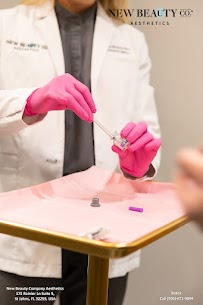
The maintenance rhythm: finding your cadence
Once we establish a pattern that works, maintenance becomes simple. Most patients prefer a schedule of every three to four months for the upper face, then adjust as they learn their personal fade. Some alternate between full face botox one visit and touch-up zones the next to smooth the expense curve. If your calendar is unpredictable, you can anchor your plan to seasons instead. Many patients choose a spring and fall cadence, which naturally aligns with social events and travel.
What matters is not perfection at every moment, but a long-range strategy that keeps skin lines from deepening while preserving your traits. That is why I encourage brief check-ins around two weeks to calibrate dose and a quick message when movement returns so we can target the botox appointment before lines reassert themselves.
Who benefits most, and who should pause
Good candidates for cosmetic botox include people with expressive foreheads, pronounced glabellar lines, crow’s feet that fan out on smiling, and anyone bothered by chin dimpling, lip pursing, or prominent neck bands. Preventative botox helps those in their late 20s to 30s who see fine lines starting and want to prevent them from etching. If you are considering botox for frown lines that make you look worried or stern when you are not, a small, well-placed dose can change how others read your mood without making you look “done.”
Some should wait or skip. If you are pregnant or breastfeeding, we postpone treatment. If you have a neuromuscular disorder, we coordinate with your physician. If you are preparing for a major photography event and have never tried wrinkle relaxing therapy, do a trial at least two months ahead to make sure the effect matches your goals. If you rely on heavy eyebrow lifting to keep your eyelids open due to mild ptosis, an overly strong forehead dose can make lids feel heavy. In that case, we adjust placement and may prioritize eyelid or brow lift consultation instead.
Technique and product: what separates a good result from a great one
A certified botox provider with a deep understanding of facial anatomy makes different choices than someone working off a template. Aim matters, but so does depth, dilution, and how the injector balances points across fibers. The same total units can create either a heavy or a lifted brow depending on where they land. Smooth, natural looking botox comes from respecting natural vectors of pull, not fighting them.
Product choice also plays a role. Several botulinum toxin cosmetic brands are available, and while they share a core mechanism, they differ slightly in diffusion and onset. A skilled injector can use any of them effectively. The important part is consistency and documentation so we can learn how your face responds. Some patients prefer baby botox using micro doses at more points, particularly when camera work or public speaking makes micro-expressions important. Others prefer fewer visits with long lasting botox effects, accepting a slightly more relaxed look at rest.
Cost, value, and how to read pricing
Botox pricing usually follows one of two models: per unit or per area. Per unit pricing is transparent, since you pay for what you receive. Per area pricing simplifies the decision for some but can mask differences in dosing needs. In my practice, a typical glabella treatment ranges around 15 to 25 units, forehead 6 to 20 units depending on muscle strength and brow goals, and crow’s feet 8 to 24 units across both sides. Lower face doses often sit in the 2 to 10 unit range per feature, which sounds small until you consider the precision required.
Costs vary by region and provider expertise. Expect higher fees in urban centers and at clinics with physicians who spend significant time on facial aesthetics. That premium usually buys safety, artistry, and reduced risk of redo treatments or awkward downtime. If you are offered a price far below market, ask about product sourcing, dilution, and who will inject. Safe botox injections rely on authentic, medical grade botox and sterile technique. No discount compensates for compromised standards.
A realistic look at risks and side effects
Most side effects are mild and short-lived: redness, swelling, tenderness, and occasional bruising. Headache can occur after forehead injections, usually resolving within a day. Eyelid or brow ptosis is rare but memorable. It often stems from diffusion into the levator or frontalis, which underlines the importance of technique and aftercare instructions. If it happens, the effect is temporary, typically improving in two to four weeks, and certain eyedrops may help lift the lid during that period. Smile asymmetry from lower face treatments can occur if product spreads to adjacent muscles. Again, careful placement keeps risk low.
Allergic reactions are exceedingly rare. If you have a history of severe allergies or reactions to other botulinum toxin injections, disclose it at your botox consultation. If you develop any unexpected symptoms after treatment, contact your provider promptly.
How subtlety plays out over months
One of my favorite moments is the three-month check-in with a patient who opted for a restrained plan. They often say they looked fresher without anyone guessing a cosmetic injectable treatment took place. Their makeup sits better, and they find they squint less on bright days. In photos, the mid-forehead glare line no longer splits their expression, and the crow’s feet no longer run onto the cheek in a way that pulls attention. That quiet, cumulative improvement is the whole point of skin smoothing injections.
A patient in her mid-30s once came in with early 11s and a tendency to jack up her brows while thinking. We used 18 units across the glabella and 8 in the forehead with a small lateral brow lift. She kept 20 percent of her forehead movement by design. At two weeks, the lines at rest softened by half. By her second treatment three months later, we could drop to 14 and 6 units, respectively, because she had stopped the habit of constant lifting. That is the practical effect of wrinkle prevention injections. You change the motion pattern, and the skin thanks you for it.
Planning your first visit: a short checklist
- Clarify your priorities: smoothing versus lift, and which lines bother you most. Bring reference photos where you liked your expression and skin texture. Share medical history, prior neuromodulator injections, and any upcoming events. Ask who will inject, what product they use, and how they handle touch-ups. Schedule the follow-up for two weeks to fine-tune symmetry and dosing.
When Botox is therapeutic as well as cosmetic
Although we are focusing on facial aesthetics botox, it is worth noting that therapeutic botox plays a role in conditions like bruxism, migraines, and hyperhidrosis. Treating masseters for clenching often delivers dual benefits: less jaw pain and a softer mandibular angle over time. Patients with chronic tension headaches sometimes notice improvement after forehead and glabellar treatments, since the muscles implicated in frowning and raising the brows relax. Therapeutic indications involve different dosing and insurance considerations, so discuss these during your consultation if you have symptoms.
The value of continuity and documentation
A customized botox treatment is a living document. At each session, I chart units, points, depth estimates, and patient feedback at rest and in motion. Small adjustments, like sliding a lateral forehead point two millimeters higher, can prevent brow heaviness on one side. Over several visits, patterns emerge. Some patients metabolize product faster in the glabella; others hold crow’s feet longer. This record lets us aim for long lasting botox effects where your face permits and tweak where it fades faster.
If you move or see a new clinician, bring your prior records or at least a clear summary. Photos taken at maximal frown, maximal raise, gentle smile, and full smile help any licensed botox injector understand your baseline dynamics.

Bridging expectation and reality
Marketing language can mislead. Wrinkle relaxing therapy does not perform miracles. It will not reverse deep sun damage or lift tissue the way surgery can. It will, however, soften the muscle-driven component of facial aging and, over time, slow the formation of new lines. For many, that adds up to a face that looks better both in motion and at rest with minimal downtime and a favorable risk profile.
Patients most satisfied with botox cosmetic share a few traits. They have specific goals, patience for gradual refinement, and comfort with maintenance. They expect improvement, not perfection. They also choose a professional botox treatment setting where expertise and safety come first. When those pieces line up, the process feels straightforward: consult, treat, assess, maintain.
Final thoughts on quiet elegance
The aim with skin line smoothing injections is not to chase every crease. It is to harmonize your expressions with how you feel and present a calmer canvas for the features that matter most: eyes that read open and engaged, brows that frame without dragging, and skin that reflects light cleanly. If you are considering a first step, start conservatively. Ask for a plan that preserves your expressions and builds gradually. Track how you feel at 2, 6, and 12 weeks. Adjust at the next visit.
You will know you found the right cadence when your reflection looks like you on your best day, most days. No one asks what you did. They just notice that your face communicates clearly and your skin seems a little smoother, a little kinder to you than it was last season. That is subtle botox results working exactly as intended.